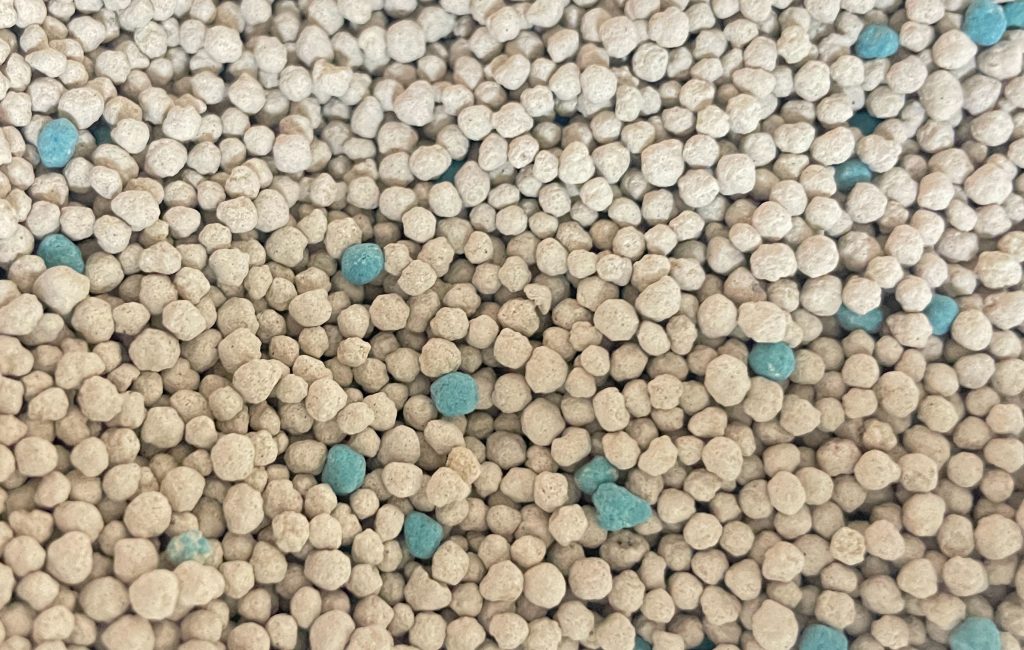
Bentonite cat litter has long been a staple in the pet care industry, beloved for its exceptional clumping and absorbent properties. This type cat of litter is made from bentonite clay, a natural material derived from aged volcanic ash, known for its ability to absorb up to 4 times its original volume. This remarkable absorbency allows it to form solid clumps when it comes into contact with moisture, making it incredibly easy for pet owners to scoop out waste and maintain a clean litter box.
Benefits of Bentonite Cat Litter
High Absorbency and Odor Control
Bentonite clay is highly effective at absorbing moisture and controlling odors. Sodium bentonite, in particular, is favored for its superior clumping ability and odor control. This type of clay can absorb 3.5 times its weight in liquid, which helps keep the litter box dry and fresh for longer periods.
Ease of Use and Maintenance
One of the most significant advantages of bentonite cat litter is its clumping nature. When cats urinate, the litter forms solid clumps that can be easily removed with a scoop. This means pet owners only need to replace the clumped areas rather than the entire litter box, reducing waste and the frequency of full litter changes.
Cost-Effectiveness
Due to its high absorption rate, bentonite cat litter lasts longer compared to non-clumping alternatives. This means less frequent purchases and lower overall costs for pet owners. Additionally, the ability to use less litter per change makes it a more efficient and economical choice.
Enhanced Hygiene
Bentonite cat litter is typically treated to reduce the spread of bacteria, helping maintain a cleaner environment for both pets and pet owners. Its natural ability to inhibit bacterial growth further ensures a hygienic litter box.
Types of Bentonite Cat Litter
Bentonite cat litter can be categorized into two main types based on the clay used:
Sodium Bentonite
Sodium bentonite is the most popular choice for cat litter due to its strong clumping ability and superior odor control. It can absorb more moisture than calcium bentonite, making it ideal for maintaining a clean and odor-free litter box.
Calcium Bentonite
Calcium bentonite, also known as white bentonite, absorbs moisture effectively but does not clump as strongly as sodium bentonite. However, it is safer for cats if accidentally ingested and is often preferred by health-conscious pet owners.
Environmental and Safety Considerations
While bentonite cat litter offers numerous benefits, there are a few considerations to keep in mind:
Dust Inhalation
Some bentonite litters may release fine dust particles, which can be harmful if inhaled over long periods. Opting for dust-free or low-dust formulations is advisable to protect both cats and humans.
Ingestion Risks
Cats may ingest small amounts of litter during grooming. Non-toxic formulations are essential to prevent potential health issues.
Environmental Impact
Bentonite is mined through strip mining, which can have environmental implications. However, many manufacturers are now focusing on more sustainable sourcing methods to minimize ecological damage.
Market Insights
The global bentonite cat litter market has seen significant growth, driven by increasing pet adoption rates and the rising trend of pet parenting. In 2021, the market size was valued at USD 2.83 billion, with projections to reach USD 4.11 billion by 2029. Europe dominated the market in 2021, followed by North America and the Asia-Pacific region.
Conclusion
Bentonite cat litter remains a popular choice for cat owners worldwide due to its convenience, effectiveness, and cost-efficiency. While it offers numerous benefits, pet owners should also consider health and environmental factors when selecting the right litter for their cats. With continuous innovations and rising pet ownership trends, the market for bentonite cat litter is poised for robust growth.