
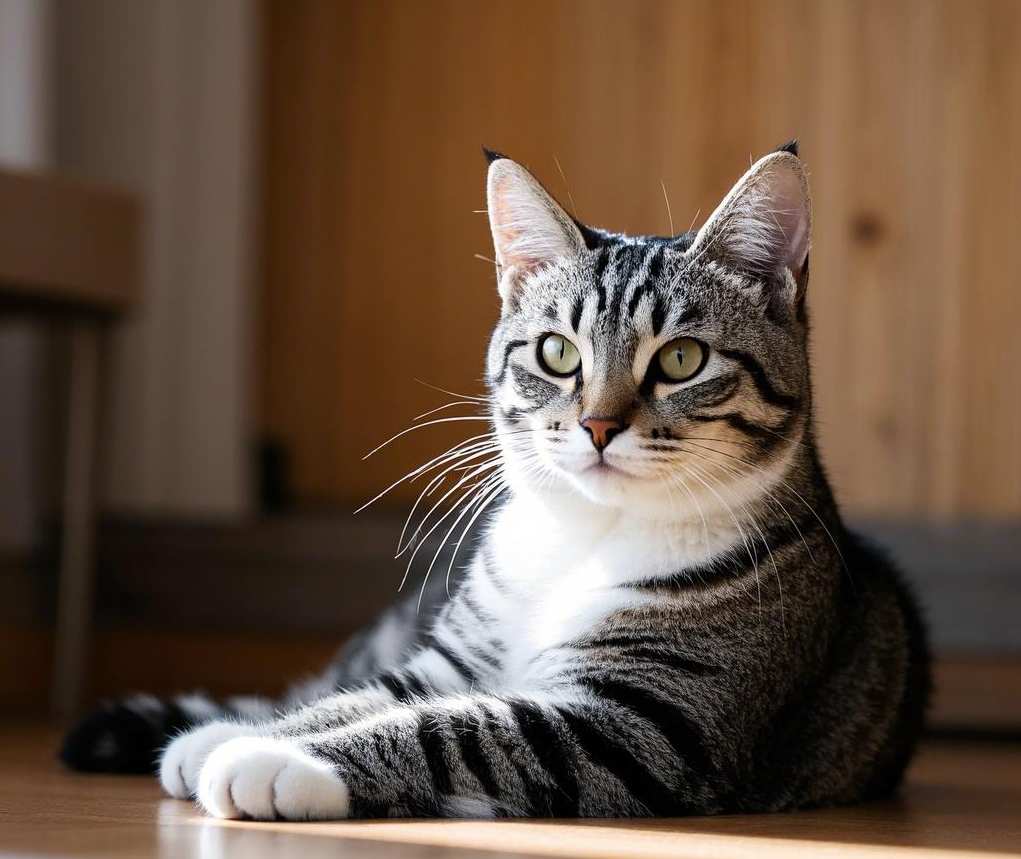
Choosing the right cat litter is essential for maintaining a clean and healthy environment for your feline friend. With so many options available, it can be overwhelming to decide which one is best for your cat and your home. Here are some key factors to consider when selecting the perfect cat litter.
1. Type of Cat Litter
There are several types of cat litter available, each with its own advantages and disadvantages.
Clumping Litter: This is one of the most popular types of cat litter. It forms clumps when wet, making it easy to scoop out waste. Clumping litter is convenient and helps keep the litter box cleaner for longer periods. However, it may contain clay or silica, which some cat owners prefer to avoid.
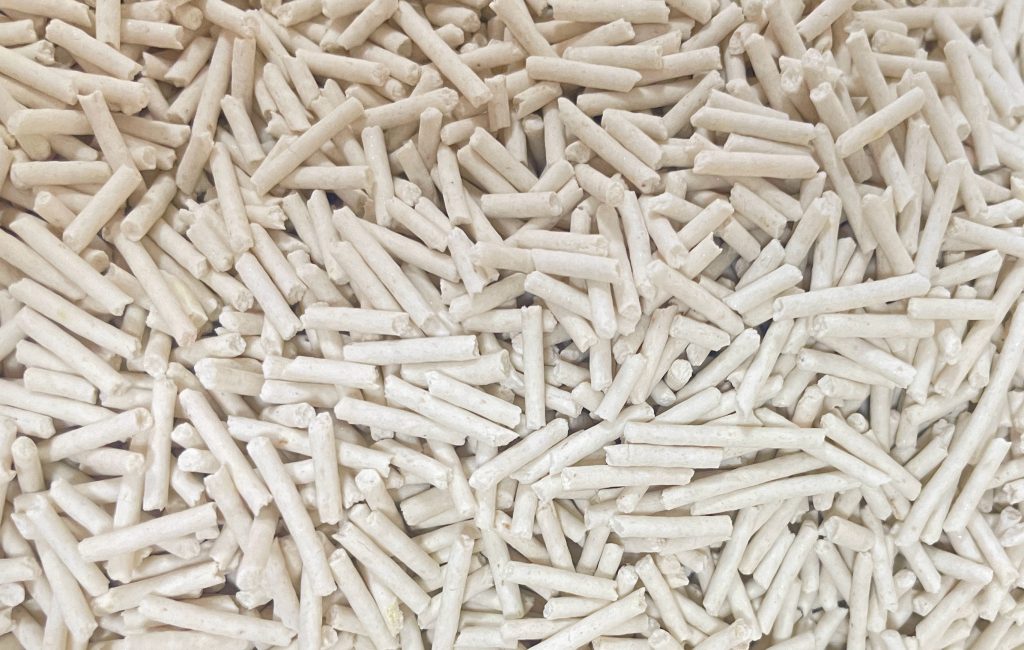
Non-Clumping Litter: This type of litter does not form clumps and needs to be changed more frequently. It is often made from natural materials like wheat, corn, or paper. Non-clumping litter is a good choice for those who prefer a more natural option or for cats that may have sensitivities to clumping agents.
Natural Litter: Made from biodegradable materials like wood, corn, wheat, or coconut coir, natural litters are eco-friendly and often free from harsh chemicals. They can be a great choice for environmentally conscious cat owners and for cats with sensitive skin or respiratory issues.
Crystal Litter: This type of litter is made from silica gel crystals and is highly absorbent. It controls odor well and can last longer than other types of litter. However, it can be more expensive and may not be suitable for all cats.
2. Odor Control
Odor control is a crucial factor when choosing cat litter, especially if you have a multi-cat household or limited ventilation in the area where the litter box is placed.
Scented Litter: Some litters come with added fragrances to help mask odors. While these can be effective, some cats may be sensitive to strong scents and may avoid using the litter box if the scent is too overpowering.
Unscented Litter: Unscented litters rely on their natural or added absorbent properties to control odors. These are often preferred by cats that are sensitive to scents and by owners who prefer a more natural approach to odor control.
3. Dust and Tracking
Dust and litter tracking can be a nuisance, especially for those with allergies or concerns about cleanliness.
Low-Dust Litter: Some litters are designed to produce less dust, which can be beneficial for cats with respiratory issues and for maintaining a cleaner home.
Anti-Tracking Litter: Certain litters have a formula that reduces the amount of litter that sticks to your cat’s paws and gets tracked around the house. This can be particularly useful for keeping your home tidy.
4. Your Cat’s Preferences
Every cat is unique, and what works for one may not work for another. Pay attention to your cat’s preferences and behavior when introducing a new litter.
Texture: Some cats prefer the texture of certain litters over others. For example, some may like the softness of clumping clay litter, while others may prefer the coarser texture of natural litters.
Acceptance: Introduce new litter gradually to see if your cat accepts it. Sudden changes in litter type can cause stress and may lead to litter box avoidance.
5. Environmental Considerations
If you are environmentally conscious, you might want to choose a litter that is biodegradable and made from sustainable materials. Natural litters made from recycled paper, wood, or plant-based materials are eco-friendly options that can help reduce your environmental footprint.
6. Cost
The cost of cat litter can vary widely depending on the type and brand. While some premium litters may be more expensive, they can also last longer or offer better performance. Consider your budget and the long-term cost-effectiveness of the litter.
Conclusion
Choosing the right cat litter involves balancing your cat’s preferences, your household needs, and your budget. By considering factors such as litter type, odor control, dust and tracking, environmental impact, and cost, you can find a litter that keeps both you and your cat happy. Remember to monitor your cat’s behavior and adjust as needed to ensure a clean and comfortable litter box experience.